
How Texas Weather Impacts Cattle Ranches Near Houston
posted on
April 14, 2026
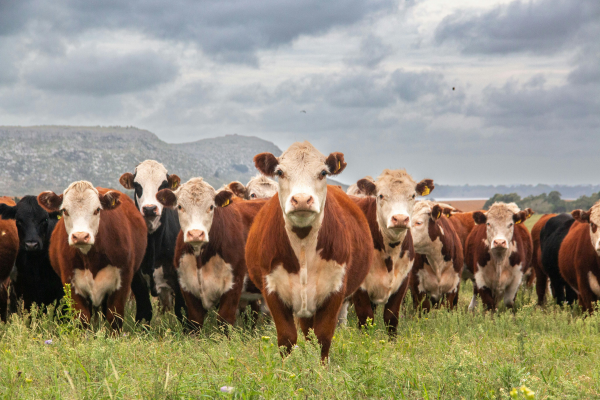
Understanding Weather in Houston, Texas and the Surrounding Ranch Country
Cattle ranching has been woven into the cultural and economic fabric of Texas for generations, and for ranchers operating near Houston, the local climate is not merely background noise. It is a constant, unpredictable force that shapes every decision made on the ranch. The weather in Houston, Texas is famously extreme: sweltering summers with heat indices that regularly climb past 105°F, flash floods that can transform a pasture into a lake overnight, and cold snaps that sweep down from the north with little warning. For cattle operations ranging from small family spreads to large commercial outfits, understanding the rhythms and hazards of Texas weather is not optional. It is a matter of survival.
The current weather in Houston, Texas can shift from stable sunshine to dangerous storm systems within a matter of hours. The region sits in a corridor that sees Gulf moisture collide with continental air masses, creating conditions ripe for severe thunderstorms, tornadoes, and prolonged rainfall events. Those who follow the National Weather Service Texas updates closely know that the weather outlook can change dramatically from morning to evening, especially during spring and fall transition months. The Texas weather service issues watches and warnings that ranchers must track in real time to protect their herds, their infrastructure, and their livelihoods.
Ranchers just outside Houston often check weather in Houston, Texas before deciding whether to move cattle to higher ground or bring them into sheltered pens. A Texas weather update showing a squall line approaching from the west can mean the difference between losing a calf to hypothermia and getting it into a warm barn in time. The weather forecast for Houston, Texas is checked not just once a day but multiple times, particularly during calving season or when extreme heat threatens to push cattle into heat stress. The weather service alerts in particular carry enormous weight for ranchers in low-lying pastures near the Brazos, Colorado, and Trinity river systems.
Further inland, conditions can differ significantly. The weather patterns tend to be drier and more variable in terms of temperature extremes. Ranchers who move cattle between operations near Houston and those closer to Dallas track both the weather forecast in Dallas and Houston to plan transport logistics. The Dallas corridor is also prone to ice storms in winter that can disrupt feed delivery routes and isolate ranches for days at a time. Knowing the current weather conditions in Dallas, Texas is just as critical for ranchers operating across the broad Texas landscape as knowing the conditions right outside their barn door.
How Extreme Heat, Flooding, and Drought Shape Ranch Operations
Of all the weather-related challenges that define weather in Texas ranching life, heat is perhaps the most persistent. Cattle are not efficient animals when it comes to heat regulation, and prolonged exposure to high temperatures results in reduced feed intake, lower weight gains, decreased fertility, and in severe cases, death. When today's weather in Houston, Texas pushes into the high nineties with humidity making it feel substantially hotter, ranch managers must implement active cooling strategies such as shading structures, misters, fans, and carefully timed access to water sources. Pasture rotation also becomes critical during heat waves, since overgrazed land offers less shade and grass cover, further compounding heat stress on animals.
The flooding threat tied to Texas weather is equally serious. Houston and its surrounding counties are no strangers to catastrophic rainfall events. When storms stall over the region, as they have with increasing frequency, pastures are inundated for days or even weeks. Standing water creates ideal conditions for hoof rot, respiratory illness, and the spread of intestinal parasites. It also makes it nearly impossible to deliver storage supplies, since unpaved ranch roads become impassable. Ranchers who store cattle feed and other supplies on-site prior to storm season are better positioned to weather these events without catastrophic losses.
Drought, which can descend on the region even within months of a flood, presents a different but equally challenging set of problems. Pasture grasses fail, hay prices spike, and water sources dry up, forcing ranchers to haul water and purchase supplemental feed at significant expense. During these periods, the ability to efficiently manage beef becomes critical, as ranchers who slaughter early to reduce herd size during drought must ensure proper beef storage conditions are maintained to avoid spoilage and financial loss. Knowing the correct beef storage temperature and maintaining it consistently through whatever facilities are available on the ranch — from walk-in coolers to portable refrigeration units — can mean the difference between recovering value from the herd and absorbing a total loss.
The unpredictability of Texas weather forecasts also affects how ranchers plan their breeding calendars. Calving season ideally occurs when temperatures are moderate and pasture conditions are optimal, but the weather forecast in Texas often does not cooperate with these plans. Late-season cold snaps can catch newborn calves in the open, and early heat waves can stress cows during the final weeks of pregnancy. Experienced ranch managers watch the Texas weather report with the same intensity that a ship captain watches the horizon, adjusting plans accordingly and always keeping contingency options in mind.
Beef Storage Practices on Texas Ranches: From Pasture to Cold Room
For ranchers who process their own beef or who sell directly to consumers and local markets, proper storage is a subject that deserves the same careful attention as pasture management or veterinary care. The Texas climate creates unique pressures on food storage because ambient temperatures outside coolers and freezers are often extremely high for extended periods, which means any failure in refrigeration equipment can result in rapid spoilage. Understanding storage requirements thoroughly and ensuring that equipment and procedures meet those requirements is essential for anyone processing and storing beef in this environment.
Fresh beef that is not immediately sold or consumed should be refrigerated promptly and kept at the correct storage temperature, which is between 28°F and 40°F. Storage at this range slows bacterial growth significantly and keeps fresh cuts safe for three to five days. However, ranchers who process large quantities of beef at once must think beyond the household refrigerator. A dedicated beef cold storage room or walk-in cooler is often necessary, and the size of that space must match the volume being processed. Calculating the correct freezer size for a half-beef or whole-beef operation requires careful planning, particularly when half a beef alone can occupy 4 to 8 cubic feet of freezer space depending on the cuts and packaging.
For long-term preservation, freezing is the most practical option for most ranch operations. The freezer should be maintained at 0°F or below, and storage time varies by cut. Ground beef maintains quality for three to four months, while whole roasts and steaks can last twelve months or more at proper temperatures. The use of freezer bags or, ideally, vacuum sealed storage methods extends quality significantly by eliminating air exposure and reducing freezer burn. Vacuum-packed storage in particular is highly recommended for ranch operations, as it extends freezer life and maintains flavor and texture in ways that standard wrapping cannot match.
The storage room on a working ranch also needs to account for relative humidity, which ideally stays between 85 and 90 percent in a refrigerated aging environment. Too little humidity and beef loses weight and dries excessively; too much and mold growth accelerates beyond acceptable levels. For storage capacity planning, ranchers should calculate not just the volume of beef they expect to store but also the airflow and humidity control capabilities of their cooler systems, particularly during the hot and humid Houston summers when refrigeration equipment works harder and ambient humidity is naturally high. Following proper storage conditions for beef is not just a best practice. In a regulated environment, it may also be a legal requirement.
Storage temperature guidelines are well-established by food safety authorities, and ranchers selling beef directly to consumers are expected to follow them rigorously. The safety principle of keeping cold foods cold and maintaining cold chain integrity from slaughter through delivery is particularly important in a state where outdoor temperatures routinely exceed 90°F for months at a time. Storage temp for fresh product should never rise above 40°F for any extended period, and storage temp for beef in a frozen environment should remain consistently at or below 0°F. Any fluctuation — caused by power outages during a severe weather outlook Texas storm event, for example — should be documented and the product evaluated carefully before it is moved along the supply chain.
For ranchers experimenting with value-added products, homemade beef patties storage presents its own set of guidelines. Ground beef products are more susceptible to bacterial contamination than whole muscle cuts because the grinding process distributes surface bacteria throughout the product. Storage tips for beef patties include keeping them refrigerated at the correct beef storage temp, using them within one to two days if fresh, or freezing them immediately after formation if they will not be used quickly. Patties stored in a small freezer vs large storage setup benefit from consistent temperature maintenance. Large commercial freezers tend to maintain more stable temperatures than smaller units that are opened frequently.
Preparing Ranch Infrastructure for the Realities of Houston Area Weather
One of the most important lessons seasoned ranchers near Houston have learned is that infrastructure investment is weather investment. Every barn, covered pen, water storage tank, and refrigeration unit is ultimately a hedge against the extreme conditions that weather in Texas can bring with little warning. Building or retrofitting ranch structures to withstand high winds, heavy rain, and flooding is expensive, but the cost of losing animals or inventory to inadequate preparation is almost always higher. Ranchers who have lived through events know from hard experience that the weather forecast in Houston, Texas, no matter how confident it sounds, always carries uncertainty.
Backup power generation has become increasingly standard on cattle operations in the Houston area, not only to keep equipment like fans and misters running during heat events but also to protect cold storage and freezer units when the grid goes down during storms. Power outages lasting more than a few hours can compromise safety in a refrigerator or lightly stocked freezer, particularly if outside temperatures are high. Ranch owners who invest in generator systems sized appropriately for their cold storage loads protect both the beef they have processed and the revenue it represents. Keeping a thermometer inside the freezer and logging temperatures regularly is a simple but effective practice for documenting cold chain integrity and catching equipment failures before they result in spoilage.
Water management infrastructure is equally critical. The weather in the Houston corridor generates some of the most intense rainfall events in the continental United States, and ranches without proper drainage suffer repeatedly during storm seasons. Well-designed swales, retention ponds, and elevated feedlot areas protect cattle from standing water and reduce the spread of disease. At the same time, water storage capacity such as tanks, ponds, and wells must be sufficient to carry the ranch through dry spells that can follow wet periods rapidly in this part of Texas. Ranchers who monitor the current weather conditions along with longer-range forecasts, can make more informed decisions about when to fill storage tanks, when to move cattle to higher pastures, and when to implement emergency protocols.
Feed storage is another area where weather preparation directly impacts operational resilience. Hay stored in poorly ventilated or exposed structures can mold during Houston's humid summers, rendering it unusable and wasting a significant investment. Proper storage facilities should be elevated, well-ventilated, and protected from roof leaks and ground moisture. Ranchers who store adequate reserves of supplemental feed before the Texas weather service starts issuing flood or severe storm warnings are far better positioned to maintain animal nutrition through extended periods when roads are impassable and feed deliveries are delayed.
Ultimately, ranching near Houston is an exercise in resilience and adaptation. The weather in Texas will always present challenges — some predictable, many not. Ranchers who build weather awareness into their daily routines, invest in infrastructure that can handle the extremes, maintain proper storage conditions and cold chain practices, and stay connected with resources like the Texas national weather service are the ones who endure through drought, flood, and heat. The land around Houston has supported cattle ranching for over a century, and it will continue to do so for generations to come, but only for those who respect the power of the climate they work within and plan accordingly. The rancher who stays informed and stays prepared will always be better positioned to protect both their animals and their livelihood.


