Local vs. Store-Bought Beef: What You're Really Paying For
posted on
September 24, 2025
When you shop for beef, the options can feel overwhelming. You might stand in front of the meat case at the grocery store, staring at labels that say Prime, Choice, or Select. Or maybe you’ve considered supporting a local rancher who raises cattle just a few miles away. The big question is: what’s the real difference between local beef and store-bought beef, and what are you actually paying for?
At Circle J Meat, we believe that understanding how beef is raised, graded, and sold gives you the knowledge to make the best choice for your family. Let’s break it down.
What Do Meat Grades Really Mean?
The USDA uses a grading system to evaluate beef quality. These grades help consumers know what to expect in terms of tenderness, juiciness, and flavor. This system is based on a process called meat scoring, where a trained meat grader evaluates two main factors:
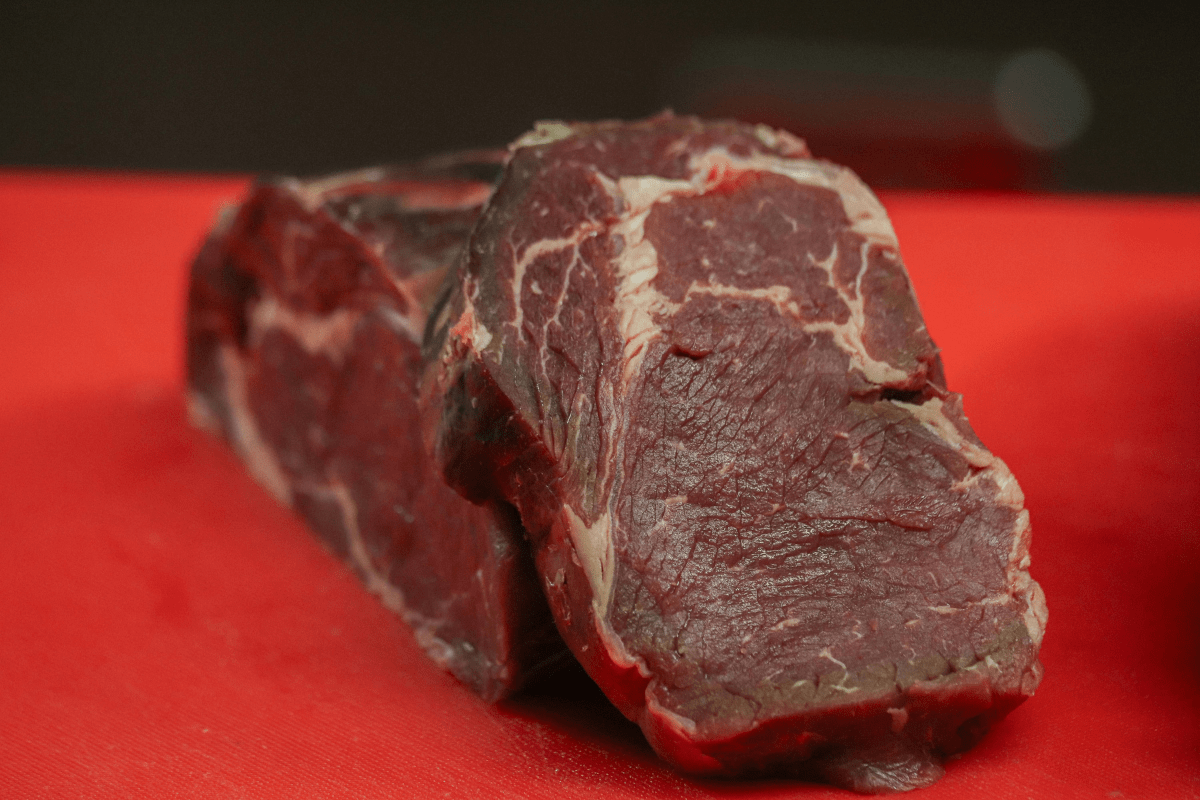
- Marbling – The amount and distribution of intramuscular fat.
- Maturity – The age of the animal at harvest, which impacts tenderness.
From that scoring system, beef is assigned a meat grade or meat rank. The three grades most commonly seen in grocery stores are Prime, Choice, and Select.
- Prime, Choice, and Select – You’ll often hear these three together because they represent the highest to lowest consumer grades.
- Prime – The highest grade of beef available. Rich in marbling, incredibly tender, and most often found in fine dining restaurants or specialty butchers.
- Choice – The most common grade sold in supermarkets. It has less marbling than Prime but is still flavorful and versatile. Many people wonder, what is USDA Choice? Simply put, it’s a mid-tier grade that offers good quality at a more accessible price.
- Select – Leaner than both Prime and Choice. While it can still be enjoyable, it requires careful cooking to avoid dryness, since it has less fat and marbling.
- Prime – The highest grade of beef available. Rich in marbling, incredibly tender, and most often found in fine dining restaurants or specialty butchers.
Beyond these, there are lower grades used for things like processed foods or low quality fast food beef. They are the kind you’ll find in bargain burgers or frozen meals.
Store-Bought Beef: The Hidden Costs
When you grab a package of beef from a supermarket, you’re not just paying for the meat itself. You’re also covering costs related to shipping, middlemen, and big corporate overhead. That means:
- Less transparency – You don’t always know where the cattle were raised or how they were fed.
- Quality variations – Even within the same grade, grocery store beef can vary widely depending on the source.
- Lower freshness – Store-bought beef often travels hundreds (or thousands) of miles before reaching your plate.
And while the packaging might show an official USDA meat grade, it doesn’t tell the whole story of the ranching practices behind it.
Local Beef: Why It’s Different
Buying beef directly from local ranchers like Circle J Meat changes the equation. Here’s what you’re really getting:
Freshness & Flavor
Because our cattle are raised right here at the Circle J Ranch (near Hempstead, Texas) and processed locally, your meat doesn’t go through long-haul transport or extra warehouse time.
We dry-age many of our cuts (especially in bulk or customizable shares), which enhances tenderness and intensifies flavor.
Transparency & Ethics
At Circle J, you can trace almost every detail:
- Grass-fed & grass-finished status: Our cattle eat 100% grass their whole lives (unless you choose our grain-finished Akaushi Wagyu option), with no shortcuts.
- No antibiotics or GMOs ever in the beef we sell. If an animal becomes sick, and is treated, it is removed from the supply.
- Raised with pasture access on our own land (and trusted ranch partners) so you know about their living conditions, handling, and care. "Pasture to plate" means something real here.
Texas Quality Beef
Circle J Meat is not a faceless label. It is a family ranch originally bought in 2008, now spanning nearly 1,000 acres with natural pastures, spring-fed water, and a deep commitment to regenerative agriculture.
We raise breeds like grass-fed/grass-finished Angus/Brangus blends, and we also offer premium Akaushi Wagyu cuts for those wanting rich marbling and luxurious texture.
Value & Bulk Buying
While Circle J beef may seem like a higher investment upfront, you will get more in return:
- Bulk Beef Shares: Options like ⅛, ¼, ½, or whole beef shares let you buy all cuts including steaks, roasts, ribs, and ground beef at the same per-pound rate. That means premium cuts like ribeye and tenderloin do not come with the steep markup you see in grocery stores.
- Cost savings per pound: For example, half beef shares are priced to average about $8.50–$10.00 per pound across all cuts, which is far more economical than buying individual cuts at retail.
- Packaging & Longevity: Cuts are vacuum-sealed, clearly labeled, then frozen. This means less waste and better freezer shelf life.
Why Grades Aren’t the Whole Story
While USDA grades like Prime, Choice, and Select give a useful benchmark, they don’t always capture the full eating experience. For example:
- A locally raised Choice steak can outshine an industrially raised Prime steak simply because of how the cattle were fed and cared for.
- Grass-fed and grain-finished methods can enhance flavor in ways that grading alone can’t measure.
- Direct relationships with ranchers ensure you’re getting beef that hasn’t been diluted by mass-market practices.
So while it’s good to know the highest quality beef by USDA standards, real quality often comes from ranch-to-table practices.
The Problem with Low Quality Beef
We’ve all had the experience of biting into a disappointing fast food burger. That’s because much of the beef used in those industries falls into the low quality fast food beef category. These cuts are:
- Taken from lower USDA grades outside of Prime, Choice, or Select.
- Often heavily processed or mixed with additives.
- Lacking the marbling and texture that make beef truly enjoyable.
Choosing local beef means avoiding that pitfall entirely. You’re selecting meat raised with care, not mass-produced for the cheapest price point.
Supporting Your Community While Eating Better

Another hidden benefit of buying local beef is community support. When you purchase from Circle J Meat, you’re not funding a corporate supply chain. You’re helping Texas ranchers, their families, and their communities thrive. That money stays local, supporting schools, services, and small businesses.
And let’s be honest: knowing the people behind your food just feels better.
Making the Right Choice
So, what are you really paying for when comparing local vs. store-bought beef?
- At the store, you’re often paying for logistics, packaging, and a label that might not tell the full story.
- With local beef, you’re investing in Texas quality beef, supporting ranchers who put their heart into raising cattle the right way.
When you choose Circle J Meat, you’re not just getting beef. You’re getting a guarantee of freshness, flavor, and transparency that no supermarket can match.